2 min read
Integrate Solar Power With Smart Home Technology A New Era of Efficient Living
Empower Home Services : Jan 17, 2026 3:32:37 AM
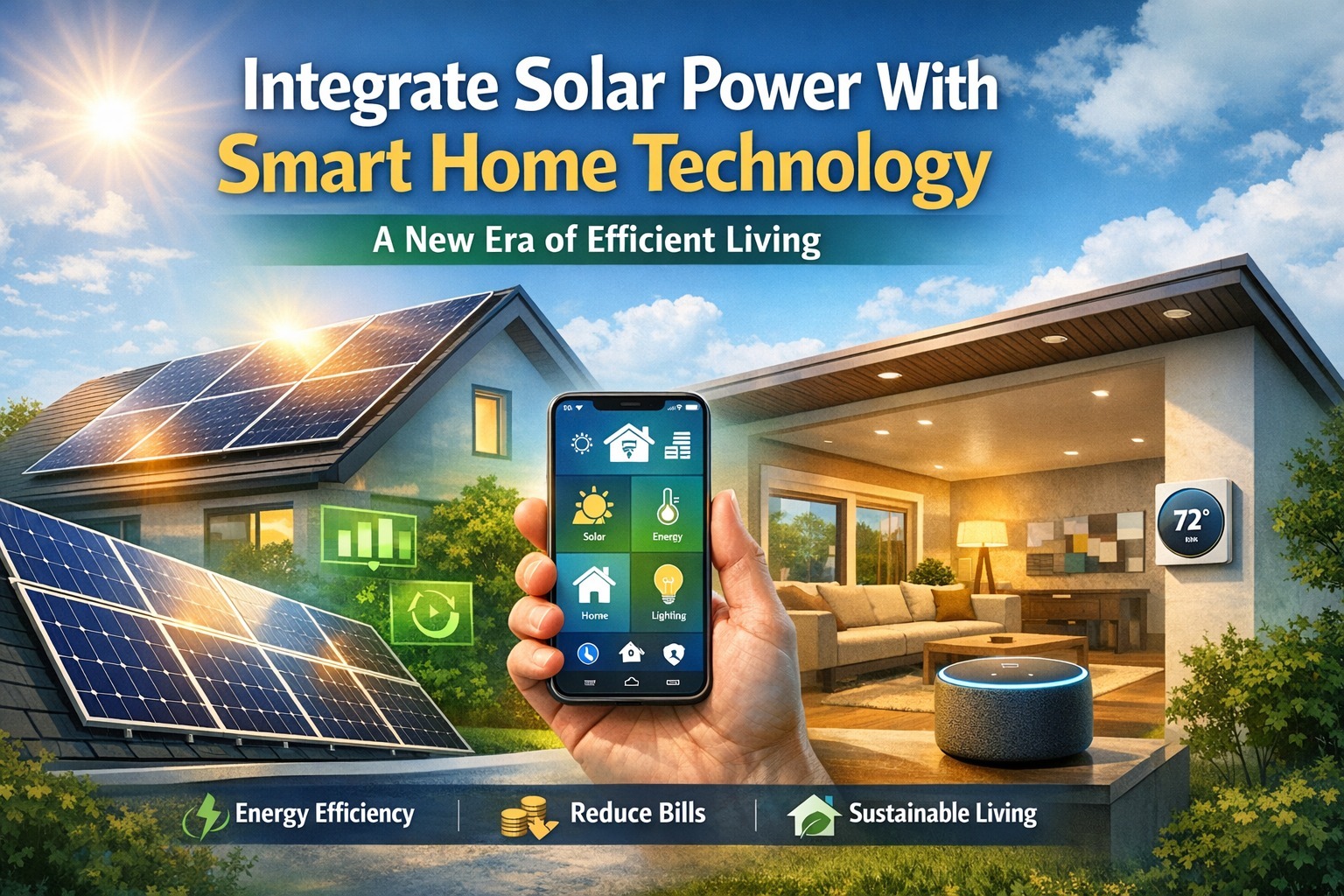
As energy costs rise and environmental awareness grows, homeowners are increasingly seeking smarter, cleaner, and more efficient ways to power their homes. One of the most transformative solutions today is solar integration home systems combined with smart home technology. This powerful combination is reshaping modern living by delivering greater control, reduced energy bills, and a more sustainable lifestyle.
The Evolution of Smart, Solar-Powered Homes
Traditionally, solar panels functioned as standalone systems that simply generated electricity. Today, smart home technology elevates solar energy from a passive power source to an intelligent, responsive energy ecosystem. By connecting solar panels, battery storage, and smart devices through a centralized platform, homeowners can monitor, manage, and optimize energy use in real time.
This integration allows homes to automatically adjust energy consumption based on solar production, household demand, and even utility pricing—creating a truly efficient living environment. Homeowners exploring this transition often begin by requesting a free solar quote to evaluate system size, costs, and potential savings.
How Solar and Smart Home Technology Work Together
At the core of this system is a smart energy management platform. This software connects solar inverters, batteries, smart meters, thermostats, lighting systems, and appliances. Using real-time data and automation, the system can:
-
Run appliances when solar energy production is highest
-
Store excess energy in batteries for nighttime or outage use
-
Reduce reliance on the grid during peak pricing hours
-
Prioritize renewable energy over conventional power sources
With smartphone apps and dashboards, homeowners gain full visibility and control over how energy flows throughout their home.
Key Benefits of Solar-Smart Integration
1. Lower Energy Costs
By maximizing self-consumption of solar energy and reducing grid dependence, homeowners can significantly lower monthly electricity bills.
2. Improved Energy Efficiency
Smart automation eliminates wasted energy by ensuring power is used only when and where it is needed most.
3. Energy Independence and Resilience
When paired with battery storage, solar-powered smart homes can maintain essential functions during power outages.
4. Environmental Sustainability
Using clean, renewable energy reduces carbon emissions and supports long-term environmental goals.
5. Convenience and Control
A single platform manages lighting, climate control, appliances, EV charging, and energy storage—all from one app.
Real-World Applications
In a solar-smart home, everyday tasks become energy-optimized:
-
Dishwashers and washing machines run during peak sunlight hours
-
Electric vehicles charge using surplus solar energy
-
Smart thermostats adjust heating and cooling to reduce energy load
-
Homeowners receive alerts and insights to improve efficiency
To maintain peak performance, regular solar panel cleaning ensures maximum sunlight absorption, while ongoing solar panel maintenance service helps extend system lifespan and prevent unexpected efficiency losses.
Challenges and the Road Ahead
While the benefits are compelling, challenges such as upfront installation costs and device compatibility remain. However, declining technology costs, improved standards, and government incentives are accelerating adoption.
Looking ahead, advances in artificial intelligence, IoT connectivity, and energy storage will further enhance integration. Future smart homes will not only respond to energy needs but predict them—delivering even greater efficiency and comfort.
Conclusion
Integrating solar power with smart home technology marks a new era of efficient living. It empowers homeowners with control, reduces environmental impact, and creates resilient, future-ready homes. As technology continues to evolve, solar-smart homes are set to become the standard rather than the exception—redefining how we produce, manage, and consume energy in everyday life.